

In the world of events and celebrations, it’s not all glitz, glamour, and glittering red carpets. Behind every successful special occasion lies the tireless work of an event coordinator, orchestrating the intricate details that transform dreams into reality. As we step into 2023, the role of an event coordinator has evolved to become more dynamic and meaningful than ever before. In this blog post, we’ll explore what an event coordinator does, how it differs from event planning, the skills and qualifications required, and the responsibilities that come with this rewarding career.
What is an Event Coordinator?
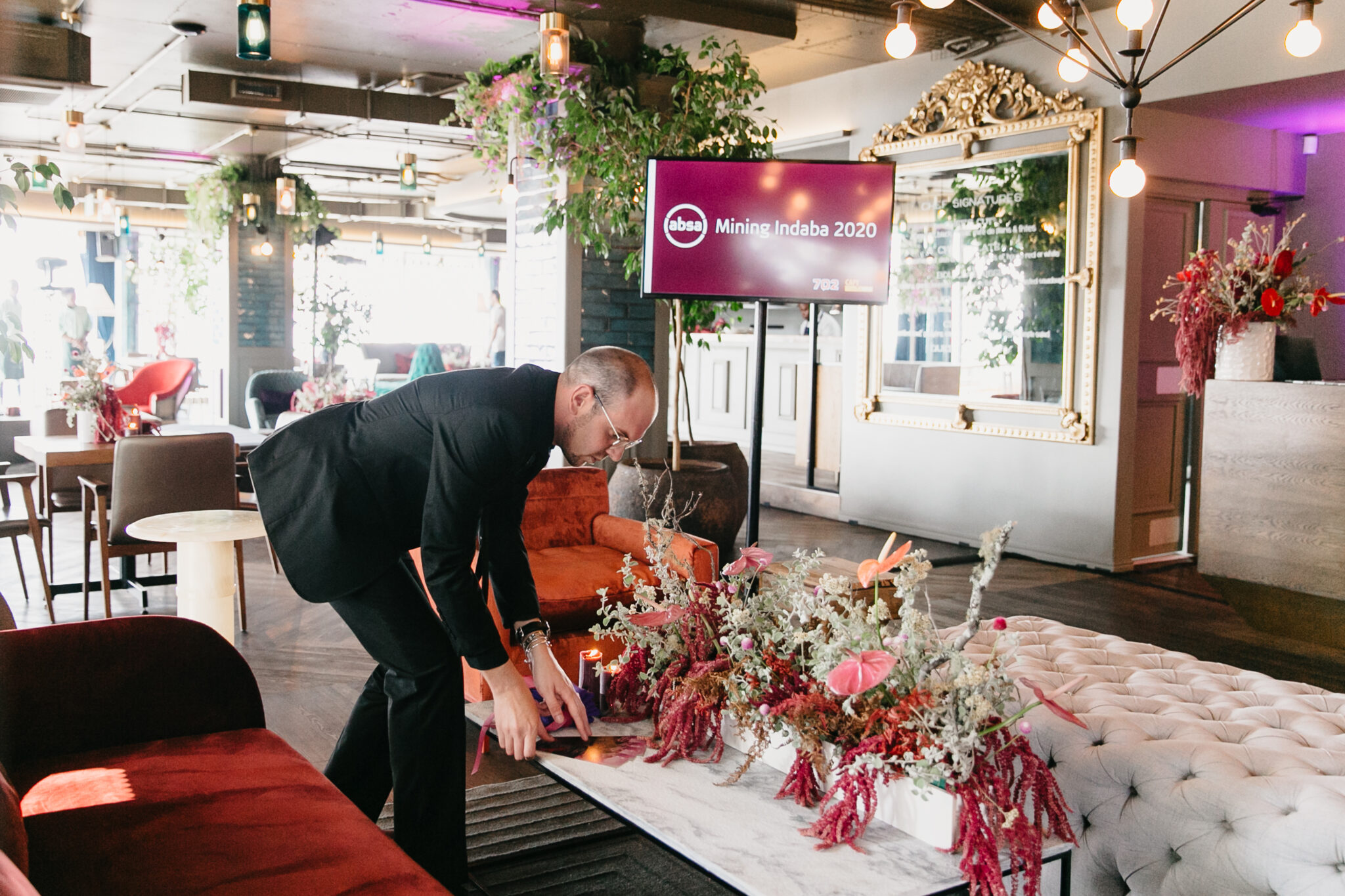
An event coordinator is a professional with a keen eye for detail and a talent for ensuring that everything runs smoothly during an event. They are the behind-the-scenes maestros who make it possible for hosts and guests to enjoy the occasion without being burdened by logistical concerns. Event coordinators focus on design and aesthetic details, excel in scheduling, directing event staff, and ensuring flawless execution.
As per The Aleit Academy’s Project Management Learner Guide: An event coordinator’s job is to oversee and arrange every aspect of an event, including researching, designing, planning, organising, implementing, coordinating, and evaluating.
Event coordinators can work with individuals to plan personal celebrations or tackle the challenges of organising large exhibitions and business-to-business events. The role is versatile and adaptable, making it an exciting career choice in 2023.
At Aleit Events, our team of project managers is trained and seasoned professionals where they not only design and plan the event but also ensures for flawless execution on the day.
Event coordinators or Project Managers make all the individual decisions for an event, selecting details like catering, table settings, floral arrangements, and more. They work closely with contractors to arrange everything according to the client’s wishes. They also direct the flow of the event, troubleshooting issues, and ensuring that pre-approved details align with the client’s needs. Their primary goal is to make sure everything runs smoothly on the day of the event.

Skills and Qualifications for an Event Coordinator
While there are no specific licensing requirements for becoming an event coordinator, certain qualifications and skills can greatly enhance your chances of success in this field:
- 2+ years of employment experience in event coordination or event planning.
- The Aleit Academy, our sister company, presents an extremely valuable Diploma in Event Coordination with real-world experience included. This is our suggested qualification for all who would like to take on the Events Industry. Other qualifications could include: degree in Business, Communications, Public Relations, Marketing, or Hospitality Management.
- A professional demeanor and the ability to stay calm under pressure.
- Experience in creating and managing budgets.
- A proven track record or aptitude for exceptional customer service.
In addition to these qualifications, event coordinators should possess or develop the following skillsets:
- Multitasking abilities.
- Strong problem-solving skills.
- Effective time management.
- Attention to detail.
- Soft skills like empathy, active listening, critical thinking, and problem-solving.
- Negotiation capabilities.
Responsibilities of an Event Coordinator
The responsibilities of an event coordinator are diverse and demanding, requiring a high level of organisation and attention to detail. Here’s a snapshot of their main roles:
- Meeting with clients to understand their event requirements.
- Creating event proposals that align with the client’s vision and budget.
- Booking catering services, venues, and décor.
- Scheduling event staff and coordinating with various service providers.
- Maintaining open communication with clients to keep them informed of any changes.
- Adapting the event based on guest feedback and concerns.
- Serving as the primary point of contact for troubleshooting during the event.
- Networking and identifying future sales opportunities.
- Handling administrative tasks such as invoicing and payment collection.
- Coordinating multiple events concurrently.
Conclusion
The role of an event coordinator in 2023 is dynamic, challenging, and deeply rewarding. As the industry continues to grow, there are abundant opportunities for those with the right qualifications and skills. Whether you’re orchestrating a grand corporate gathering or ensuring the smooth flow of a personal celebration, event coordinators play an indispensable role in making memorable moments come to life.
Stay tuned for more insights into the exciting world of event coordination with Aleit Events!

